


Head of Community for Writers
Authored OpenAI’s flagship guide for writers and students. Wrote talking points used by Sam Altman in podcast interviews.
I teach people how to use AI as a Socratic thinking partner instead of a content generator.
Award-winning writer, Yale writing professor, former Head of Community for Writers at OpenAI, and founder of Socratic AI.

As a thinking partner, not a content generator.
To elicit human creativity, not outsource it.
As a tool for thinking, not a substitute for it.
I call my approach Socratic AI.
Ideas, techniques, and examples on how to use AI to aim higher and think better — to challenge your thinking, not replace it.
Authored OpenAI’s flagship guide for writers and students. Wrote talking points used by Sam Altman in podcast interviews.

An acclaimed undergraduate writing seminar on storytelling rooted in psychology, neuroscience, and emotion.

Wrote and edited 14 cover stories on personality, neuroscience, behavioral economics, decision-making, persuasion, attraction, and love.


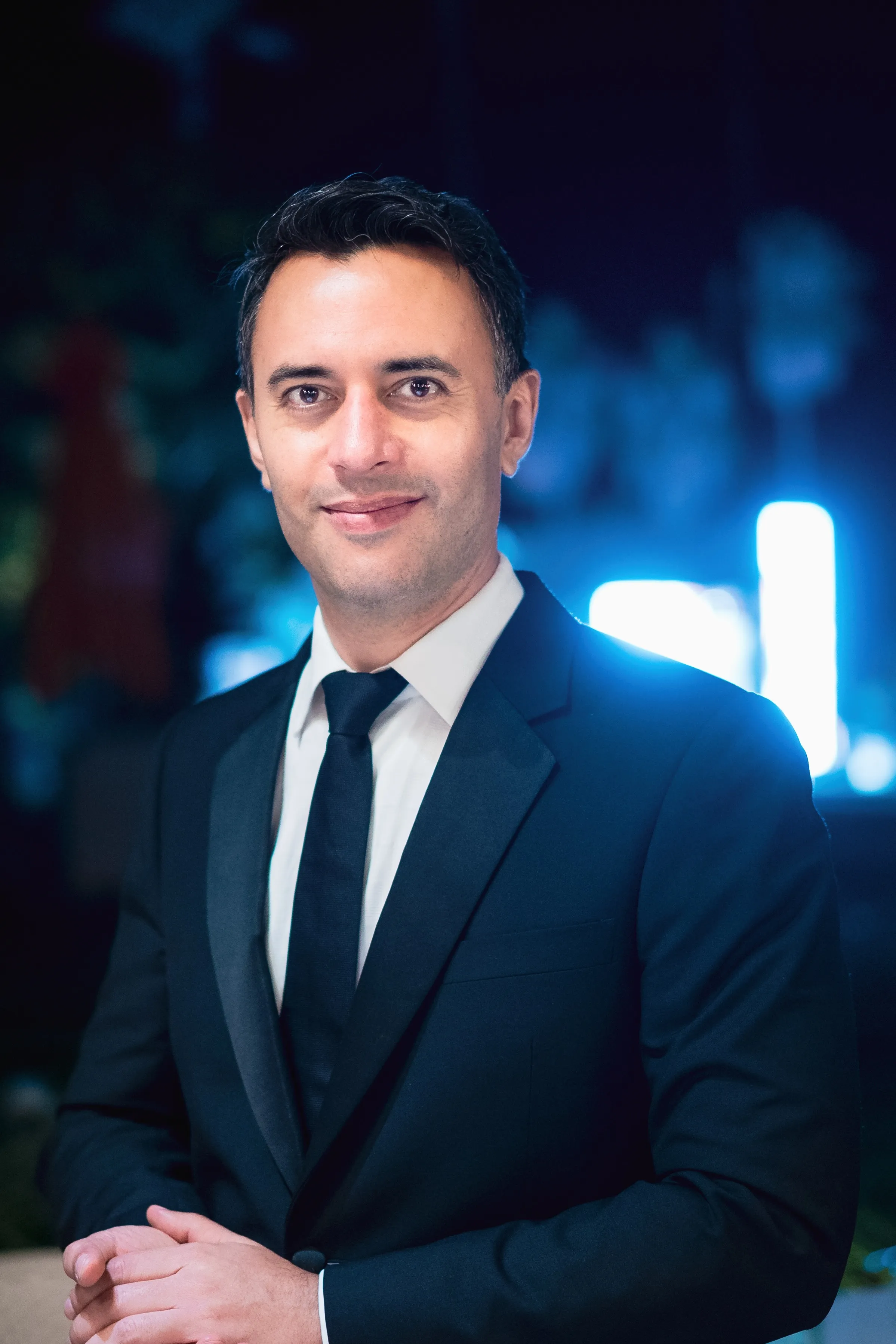
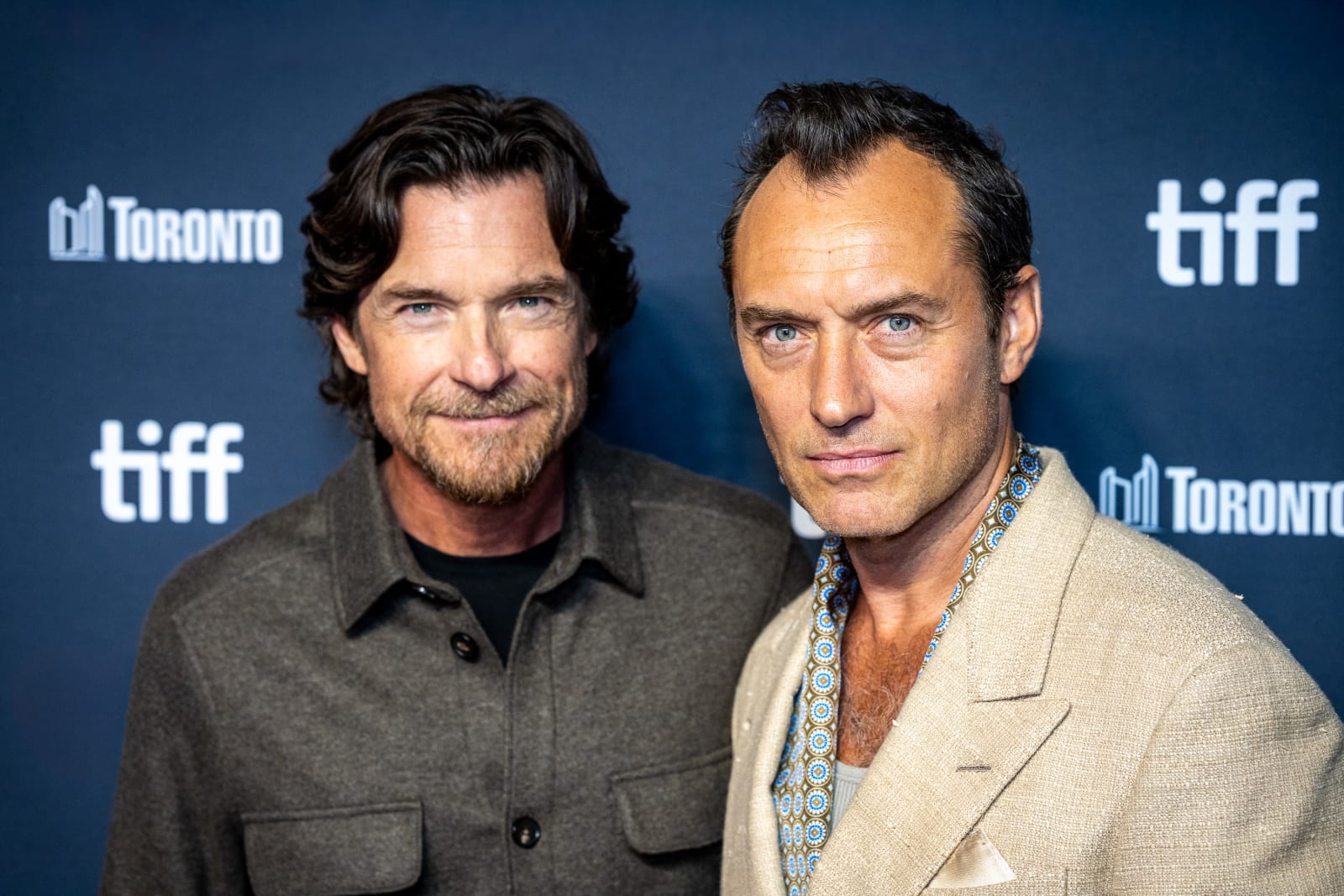
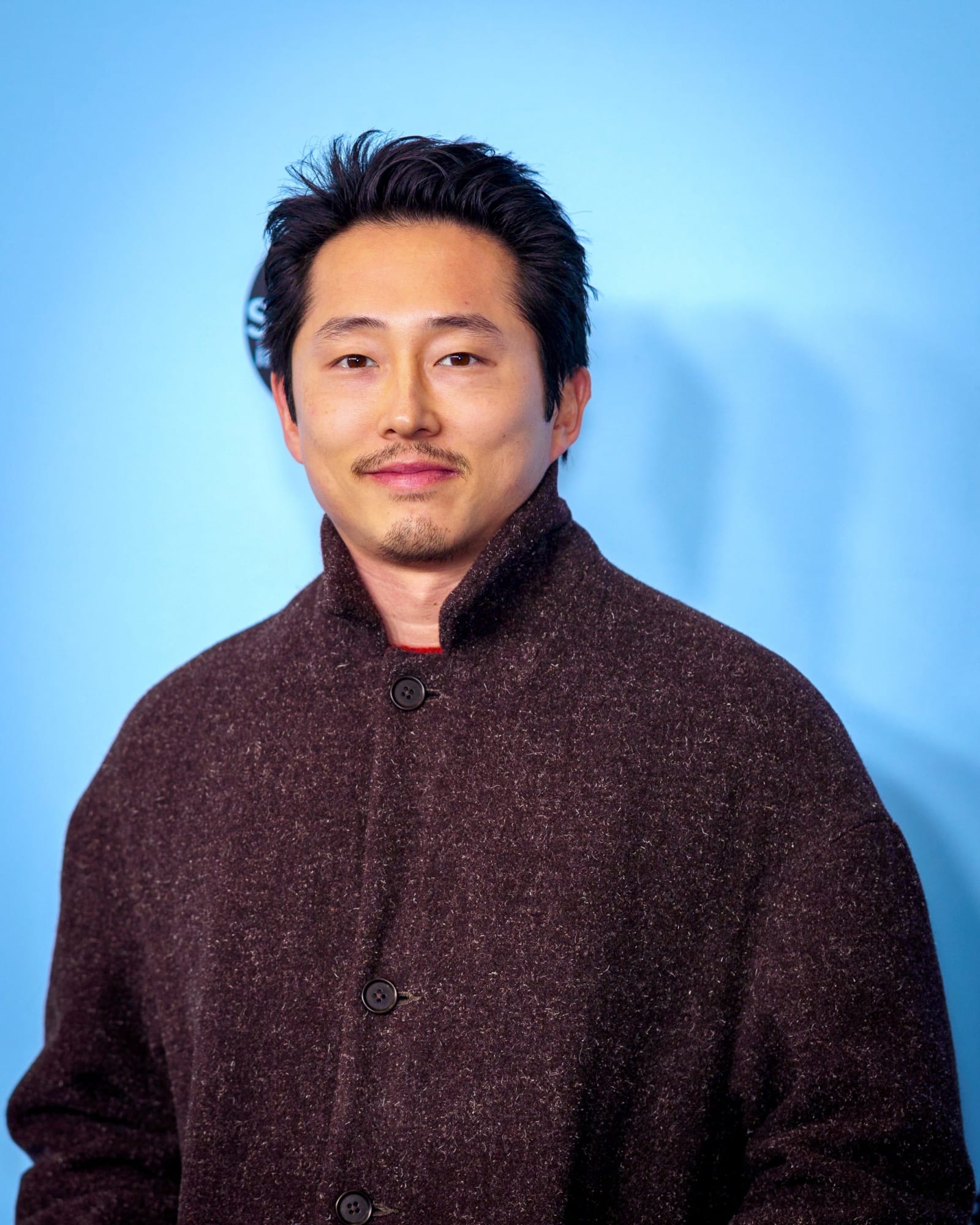
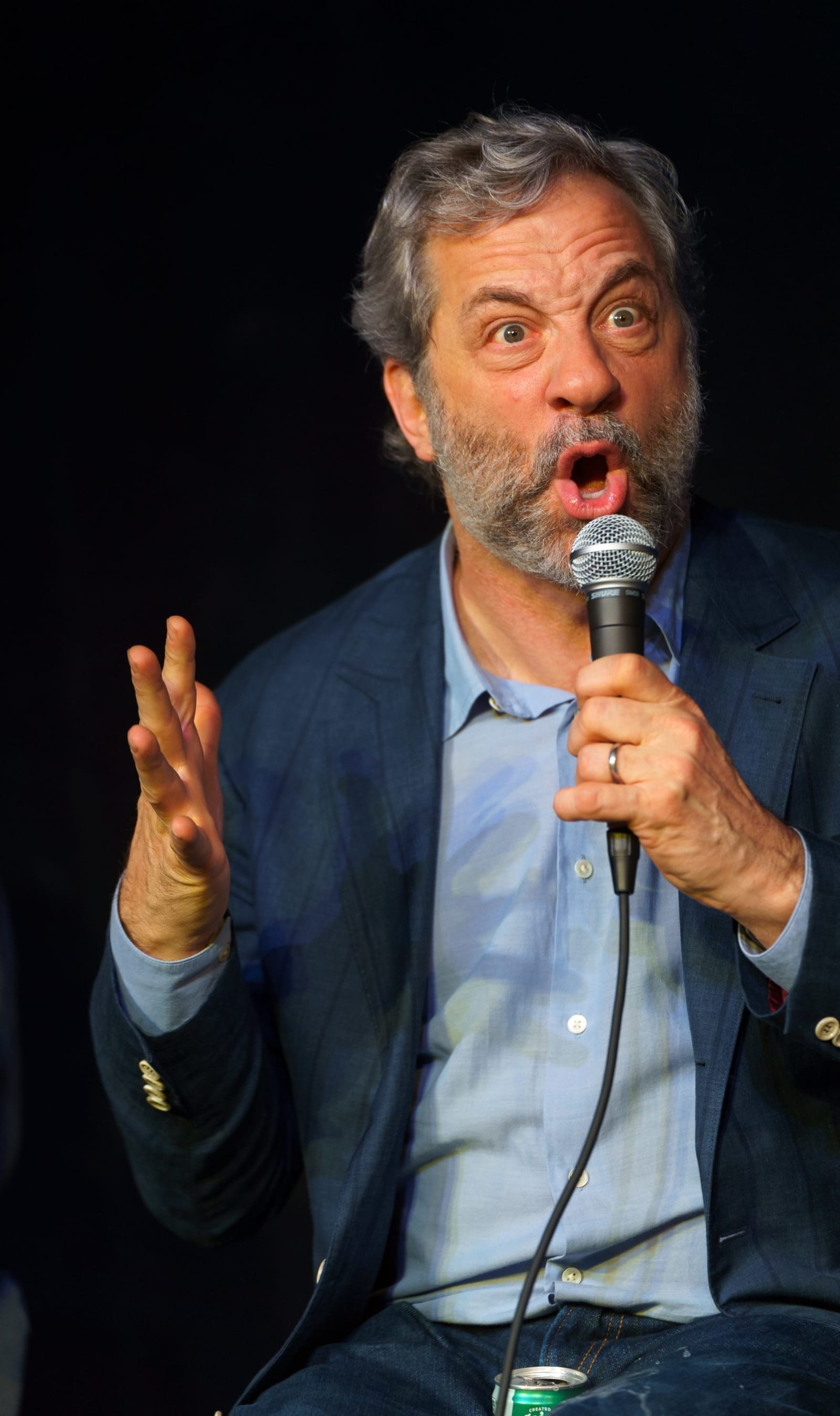
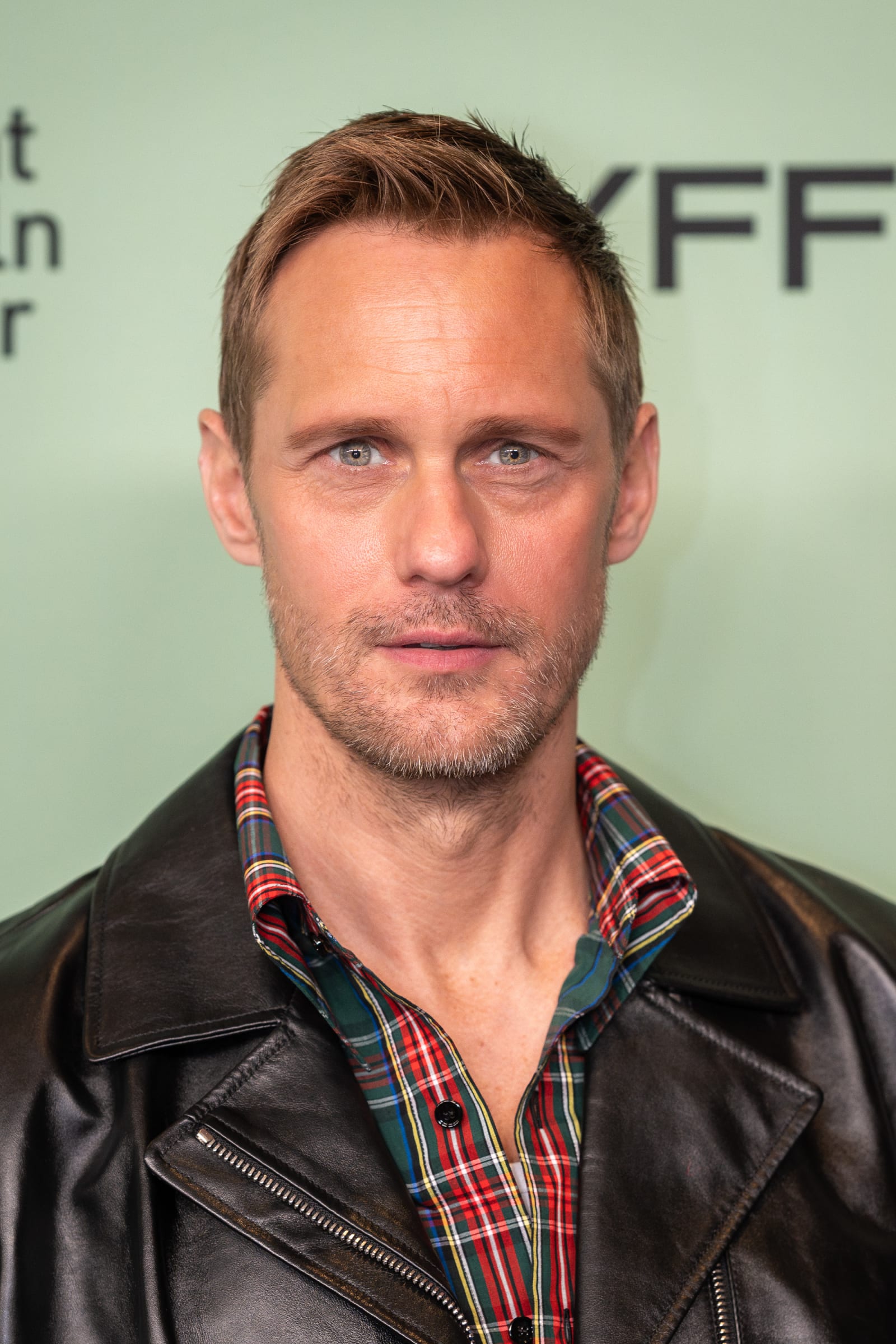
Red carpet portraits at the Nobel Prizes, Sundance, TIFF, and the New York Film Festival.

Won The Moth. “My Father’s Love” aired on The Moth Radio Hour on NPR; basis for the short film In Transit.

For Harvard’s legendary introductory computer science course.

Viewed by all Boeing employees, some 160,000 employees.







)
“By far the best presentation I’ve seen on how to actually use this stuff.”
“When I see the way Jay uses ChatGPT, I realize I’m using it at a caveman level.”
“I love the way Jay thinks about AI. He changed the way I think about AI.”
“Using Jay’s Socratic AI techniques, I used it to get all my ideas down and write the article I’d been wanting to write all year, and I actually got it published thanks to Jay!”
“Jay Dixit’s Socratic AI is the best way of using AI that I have encountered.”“Writers everywhere could benefit from Jay’s ideas! Bravo!”
“I think Jay’s approach is just genius!”“The best I’ve encountered! I hope more people apply Jay’s Socratic AI methodology and avoid generating AI slop. I really appreciate how Jay defends human creativity without demonizing tech tools. Using AI as a thought partner helped me clarify and develop my own answers. I’m now writing faster, better, and deeper.”
“I had so many breakthroughs.”“I took Jay’s class AI for Writers. It was amazing. I had so many breakthroughs, using AI to ask me Socratic questions to help me figure out my own priorities, thought process, and priorities in my writing. It was nothing short of astounding. He is an excellent teacher.”
“As a working journalist and author, Jay’s Socratic AI was a game changer.”“I cannot recommend it highly enough. It’s like having an insightful editor sitting beside me, spurring me to do my best thinking and my best work.”
“A sketchy log line to a 24-page outline of a novel in three months.”“Interactions with the system will get you going, spark ideas to keep you going, and organize your time and material. Socratic AI will change the way you use and think about AI.”
It’s the most complete interview I’ve ever done. Is it tomorrow yet? I think it is.
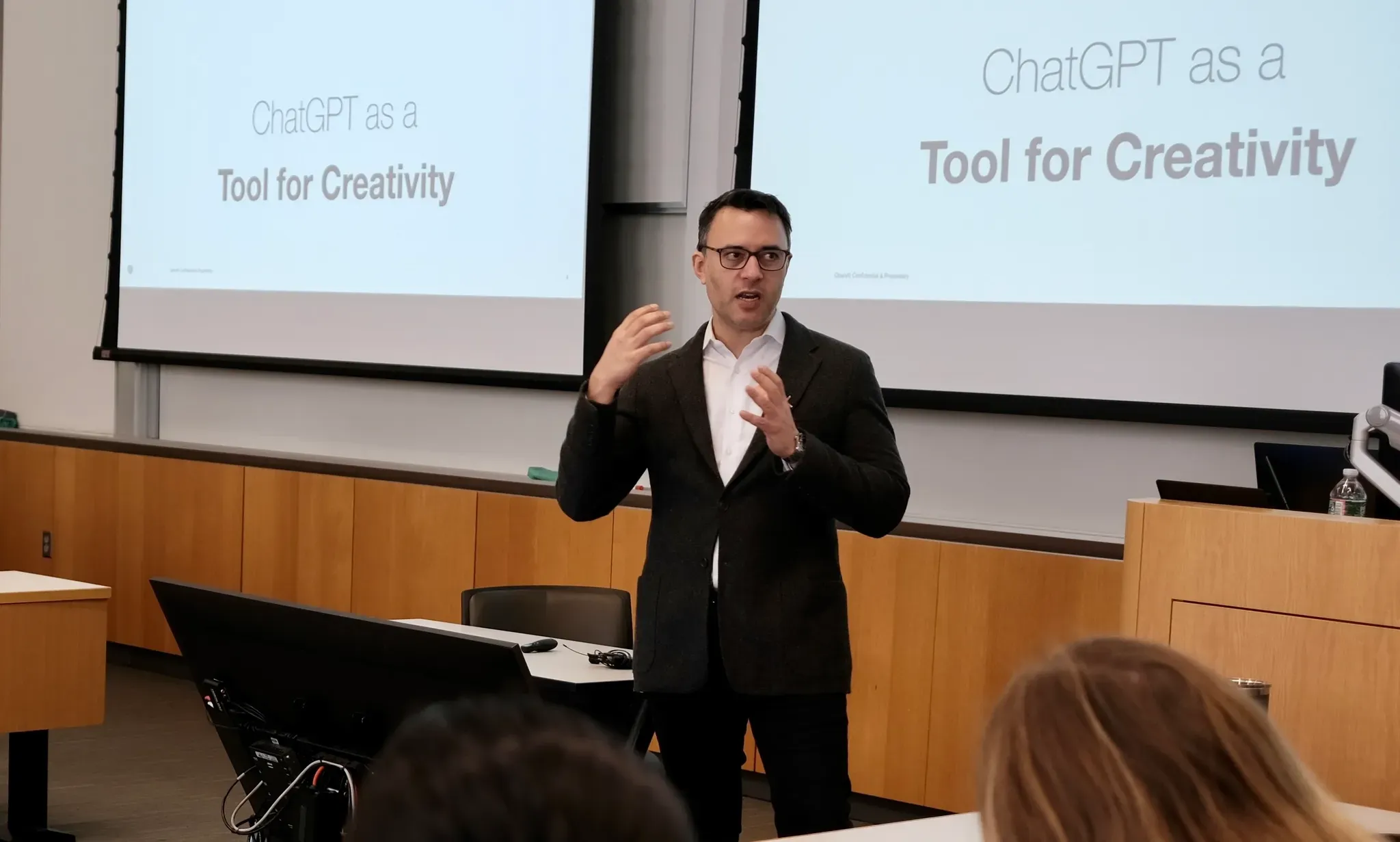
Keynotes and workshops on the Socratic approach to AI: teaching people how to use AI to support, inspire, and elicit human creativity, not outsource it.
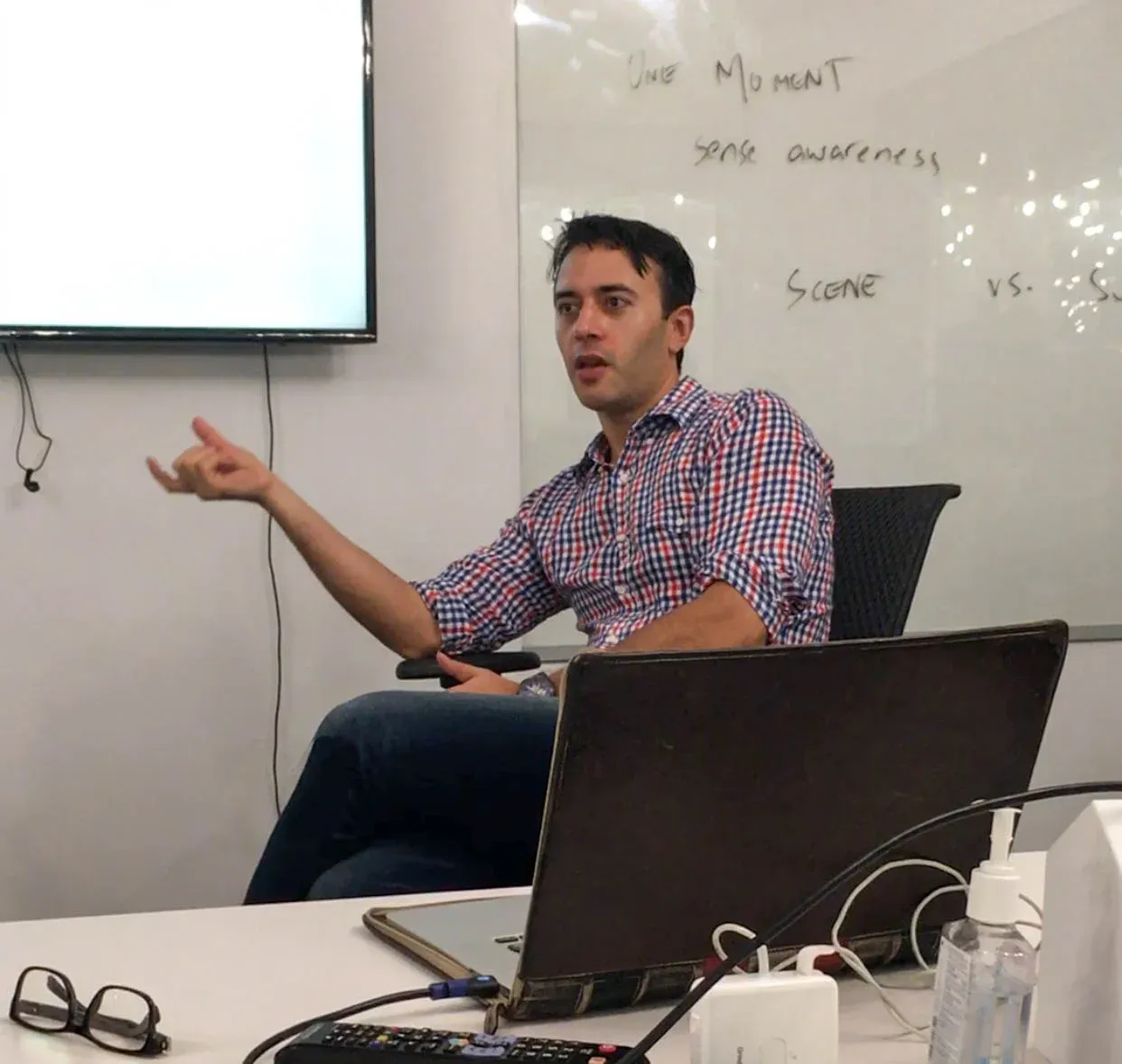
Storytelling and writing workshops for teams.

Essays on writing, creativity, and using AI without outsourcing your thinking.
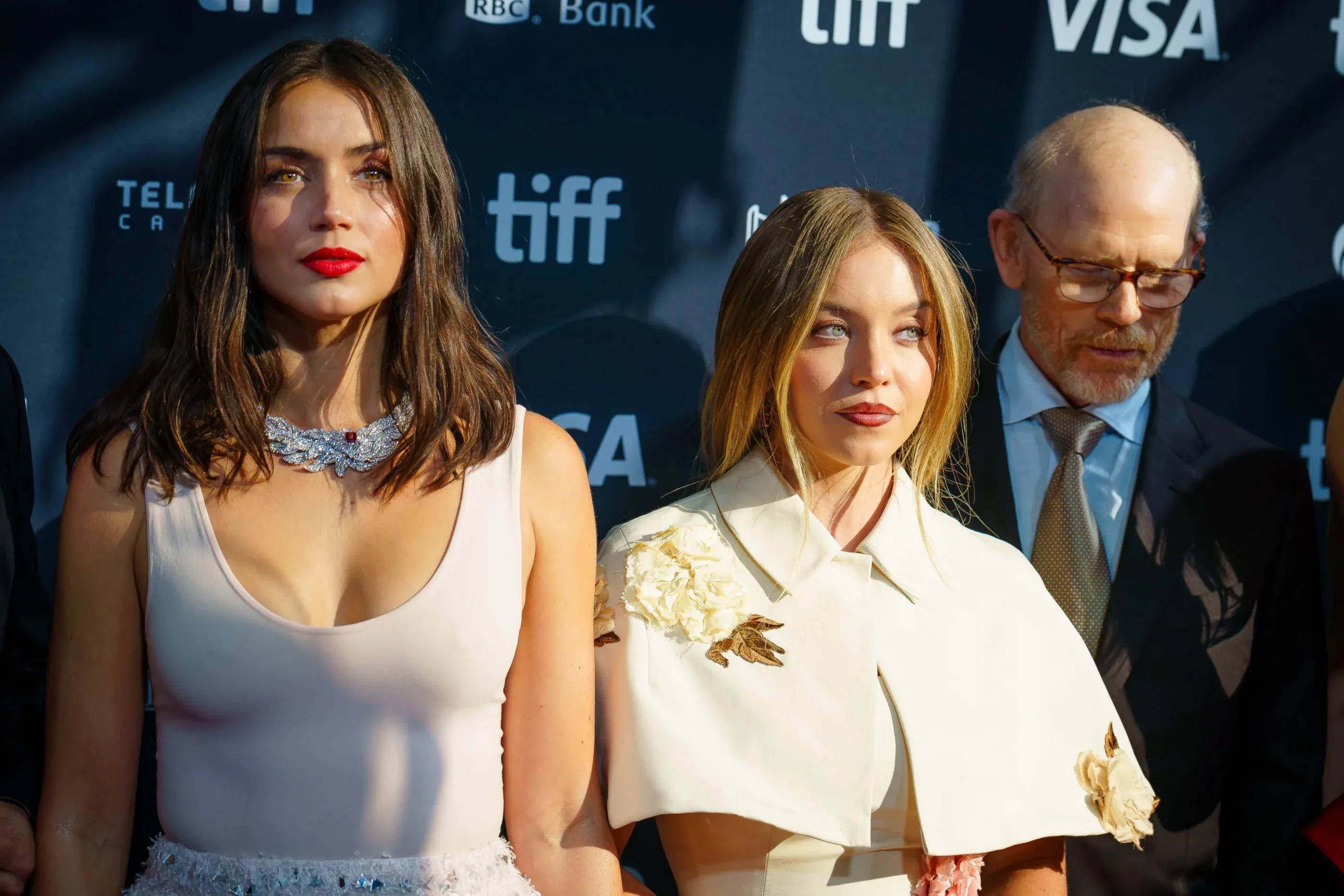
Red carpet portraits for Wikipedia at the Nobel Prizes, Sundance, TIFF, and the New York Film Festival.
Jay Dixit is an award-winning writer, writing professor, and former Head of Community for Writers at OpenAI.
His journalism and writing have appeared in The New York Times, The Washington Post, Rolling Stone, Harvard Business Review, Wired, and Psychology Today.
Jay attended Yale University, where he studied nonfiction writing under Fred Strebeigh and Robert Stone, and graduated cum laude with distinction in the psychology major. His senior thesis was published in The Journal of Social Issues and has been cited more than 400 times.
Jay launched his journalism career covering college life for Rolling Stone, then standup comedy for The New York Times, before emerging as a leading voice on psychology and neuroscience. His work appears in the anthology The Best of Technology Writing.
For four years, Jay served as Senior Editor at Psychology Today, where he covered personality, neuroscience, behavioral economics, persuasion, and the psychology of love and attraction, writing and editing many of the magazine’s most successful cover stories. Later, he joined the NeuroLeadership Institute, where he wrote about creativity, performance, unconscious bias, and the neuroscience of diversity and inclusion.
Jay taught writing at Yale University, where his acclaimed course The Art of Storytelling was offered as a senior writing seminar. He’s also the founder of Storytelling.NYC, through which he teaches storytelling classes, writing workshops, and corporate training seminars to clients including Amazon, Louis Vuitton, Bank of America, Cartier, LG Electronics, Baszucki Group, IMDb, Boeing, EY, Merck, Bristol Myers Squibb, Redfin, Ogilvy, Citibank, The NeuroLeadership Institute, Union Square Ventures, Snow Leopard Trust, Fullscreen, DKMS, and Xaxis.
He’s also a winner of The Moth, and his story “My Father’s Love” was featured on The Moth Radio Hour and NPR, and is the basis for the short film In Transit.
As a red carpet photographer for Wikipedia, Jay has photographed Emma Stone, Matt Damon, Anne Hathaway, Jeremy Strong, Kieran Culkin, Margaret Qualley, Sydney Sweeney, Jude Law, Ana de Armas, Kirsten Dunst, Willem Dafoe, Jennifer Lopez, Don Cheadle, Demi Moore, J.K. Simmons, Ron Howard, Frank Oz, Nick Kroll, Judd Apatow, Nicholas Braun, Mike Judge, Ron Livingston, and Conan O’Brien, as well as futurist Ray Kurzweil, investor Vinod Khosla, whistleblower Frances Haugen, and Nobel Prize-winning journalist Maria Ressa. His red carpet photos have garnered more than 10 million views on Wikipedia.
As an interviewer, Jay has spoken with Spike Lee, Willem Dafoe, Tony Robbins, Tim Roth, Eugene Mirman, Kristen Schaal, Bob Mankoff, Will Shortz, Greg Giraldo, Paula Scher, Todd Hanson, and Valerie Plame, as well as researchers including Dan Ariely, Jonathan Haidt, Mihály Csikszentmihályi, and Helen Fisher. Jay also conducted George Carlin’s last interview, which the legendary comedian called the “most complete interview” of his entire career.
At OpenAI, Jay authored some of the company’s flagship education resources — praised internally as among the strongest writing on openai.com — including guides for writers and students on how to use ChatGPT for brainstorming, wordfinding, research, and iterative editorial feedback to guide the creative process. He defined key messaging about AI and the future of writing that was presented by Sam Altman in podcasts and interviews, shared widely in viral social posts, and covered extensively in the press. His Socratic approach to AI — teaching users to engage AI as a thinking partner rather than a content generator — helped shape ChatGPT’s Study Mode, and he’s taught the method to students and faculty at Harvard, Columbia, and Wharton, as well as SXSW EDU and PopTech.
Today, Jay runs Socratic AI, delivering keynote talks and AI training workshops on the Socratic approach to AI: the use of AI to inspire and elicit human creativity, ideas, and insights without ever outsourcing the writing or thinking to the machine. In his keynotes and workshops, people learn to use AI to surface their own best ideas, express themselves with greater clarity and precision, and elevate the work only humans can do.
Ideas, techniques, and examples on how to use AI to aim higher and think better — to challenge your thinking, not replace it.